
What Are Common Tree Care Practices in Willoughby and Why Do You Need Professional Arborist Advice?
Arborist Willoughby services encompass three primary tree care techniques: pruning, lopping, and crown reduction. Each method serves different purposes and Using the right tree care technique produces vastly different outcomes for your trees’ health and longevity.
Homeowners often attempt DIY tree maintenance without understanding the critical distinctions between these approaches:
- Pruning focuses on selective branch removal to enhance structure and health.
- Lopping involves severe, indiscriminate cutting that professionals typically discourage.
- Crown reduction strategically reduces canopy size while preserving the tree’s natural form.
Professional arborist advice proves essential because incorrect techniques can permanently damage trees, create safety hazards, and decrease property values. Engaging tree services Willoughby ensures you receive expert guidance tailored to your specific landscape. Arborist Willoughby: Comparing Pruning, Lopping and Crown Reduction highlights how qualified professionals assess your trees, soil conditions, and environmental factors before recommending the right approach.
The difference between proper tree care techniques and harmful practices often determines whether your trees thrive for decades or decline rapidly. Expert evaluation—supported by reliable tree services Willoughby—ensures your investment in tree maintenance delivers lasting benefits rather than costly mistakes.
What Is Pruning and Why Is It Important for Tree Health?
Pruning is the selective removal of specific branches to enhance a tree’s structure, vigor, and appearance. This targeted approach addresses problem areas while preserving the tree’s natural growth patterns and overall vitality.
The pruning benefits extend across multiple aspects of tree care. By removing dead, diseased, or damaged limbs, arborists eliminate potential entry points for pathogens and pests. This preventative measure protects tree health and reduces the likelihood of future complications that could compromise the entire specimen.
Selective branch removal creates immediate improvements in several key areas:
- Structural integrity strengthens as competing or crossing branches are eliminated, reducing friction damage and establishing a stable framework
- Aesthetic appeal increases through balanced shaping that complements the tree’s natural form and surrounding landscape
- Airflow circulation improves when crowded interior branches are thinned, reducing moisture retention that encourages fungal growth. This aspect of pruning is crucial as it significantly enhances airflow and prevents disease.
- Sunlight penetration reaches deeper into the canopy, promoting photosynthesis throughout the tree rather than just outer foliage
Professional pruning techniques consider the tree’s species, age, and growth habits. Cuts are made at specific angles and locations to promote rapid healing and direct future growth. Strategic removal of lower branches can provide clearance for pedestrians and vehicles, while thinning dense canopies reduces wind resistance during storms. The precision involved in proper pruning distinguishes it from cruder cutting methods that can inflict lasting harm.
To achieve optimal results, it’s essential to follow some effective pruning tips that can guide both amateur gardeners and professional arborists in their tree care practices.
What Are the Risks and Consequences of Lopping Trees?
Lopping involves indiscriminately cutting large branches or tree sections without regard for proper pruning techniques. Professional arborists strongly discourage this practice due to its severe impact on tree health and structural stability.
The risks of lopping go beyond just how the tree looks. When large limbs are removed without following natural branch collars or growth patterns, trees struggle to heal effectively. This leaves exposed wood vulnerable to fungal infections, bacterial diseases, and insect infestations that can spread throughout the entire tree structure.
Tree damage from lopping compromises structural integrity in multiple ways:
- Weak regrowth patterns emerge as the tree desperately attempts to replace lost foliage, producing numerous thin shoots called water sprouts
- Decay spreads from improperly healed wounds into the main trunk and remaining branches
- Weight distribution becomes unbalanced, creating hazardous conditions during storms or high winds
- Bark exposure on suddenly unshaded sections leads to sunscald damage and cracking
The weakened branches that develop after lopping attach poorly to the parent limb. These connections lack the structural strength of naturally formed branches, creating dangerous situations where limbs can break unexpectedly. Trees subjected to lopping often enter a cycle of decline, requiring more frequent interventions while never fully recovering their original health or appearance.
How Does Crown Reduction Differ from Pruning and Lopping?
Crown reduction is a specialized pruning method that strategically decreases canopy bulk while maintaining the tree’s natural architecture. Unlike lopping’s indiscriminate cuts, the crown reduction technique involves careful selection of cutting points along lateral branches that can assume the terminal role.
The distinction lies in the precision and intent behind each cut. Standard pruning targets specific branches for removal—dead wood, crossing limbs, or diseased sections. Crown reduction goes beyond basic maintenance by systematically reducing the entire canopy’s dimensions through strategic trimming back to healthy lateral branches.
Key differences in the crown reduction technique include:
- Cuts are made at natural branch junctions rather than arbitrary points
- The tree’s species-specific growth pattern remains intact
- Reduction occurs gradually across the entire canopy rather than removing large sections
- Each cut is sized appropriately to promote proper wound closure
Lopping removes large branches without regard for the tree’s natural form, leaving stubs that cannot heal. Crown reduction respects the tree’s biology by cutting to viable lateral branches that continue growth in a natural direction. This canopy size management approach distributes stress across multiple smaller cuts rather than creating a few traumatic wounds.
The result preserves structural integrity while achieving size reduction goals. Trees maintain their characteristic shape and continue healthy growth patterns, making crown reduction the preferred choice for managing overgrown specimens in Willoughby properties.
Why Is Tree Topping Considered Harmful to Trees?
Tree topping removes large portions of the canopy abruptly, leaving stubs that fail to heal properly and triggering a cascade of problems. This aggressive form of lopping creates open wounds that expose the tree’s internal tissues to decay, insects, and disease organisms.
The dangers of tree topping go beyond just how it looks:
- Water sprouts, which are weak, fast-growing shoots that come from the cut stubs, are a common consequence. These shoots don’t attach well to the main branch and can easily break during storms. You can read more about water sprouts here.
- Exposed bark gets damaged by the sun when the protective leaves suddenly disappear. This causes tissue death and creates entry points for harmful organisms.
- The tree’s natural defense mechanisms become overwhelmed, making it vulnerable to fungal infections, bacterial diseases, and insect infestations.
- Property values go down as topped trees develop unattractive, unnatural shapes that make the landscape less appealing.
The stress from losing a large part of its canopy forces the tree to use up its stored energy while trying to grow back quickly. Topped trees often have difficulty recovering their ability to photosynthesize, which leads to gradual decline. Many trees never fully recover from this trauma and may succumb to disease, structural failure, or even death within a few years after being topped.
Professional arborists understand these risks and recommend alternative methods that respect tree biology and promote long-term health.
When Should Crown Reduction Be Preferred Over Lopping or Topping?
What situations call for crown reduction instead of more aggressive cutting methods? Crown reduction becomes the optimal choice when managing overgrown trees management that have outgrown their space or pose structural concerns. This technique works best for mature specimens where maintaining tree health and appearance remains paramount.
Large trees near buildings, power lines, or structures benefit most from this approach. The method distributes stress across multiple cutting points rather than creating large wounds that compromise tree vitality. Each cut targets a lateral branch capable of assuming the terminal role, ensuring continued growth without shock.
Crown reduction advantages become evident in several scenarios:
- Trees encroaching on rooflines or utility infrastructure
- Specimens with unbalanced canopies requiring weight redistribution
- Mature trees showing signs of structural weakness in upper branches
- Heritage or specimen trees where preservation of form is essential
- Properties where aesthetic value directly impacts market worth
The technique makes smaller, strategic cuts throughout the canopy rather than removing entire sections indiscriminately. This preserves the tree’s natural architecture while achieving size management goals. Storm-prone areas particularly benefit from this method, as reducing canopy bulk decreases wind resistance without creating vulnerable stub wounds.
When comparing Lopping and Crown Reduction (What’s Best?), the answer depends on tree condition and goals. Crown reduction suits nearly all maintenance scenarios where tree preservation matters, while lopping serves only emergency situations requiring immediate hazard removal.
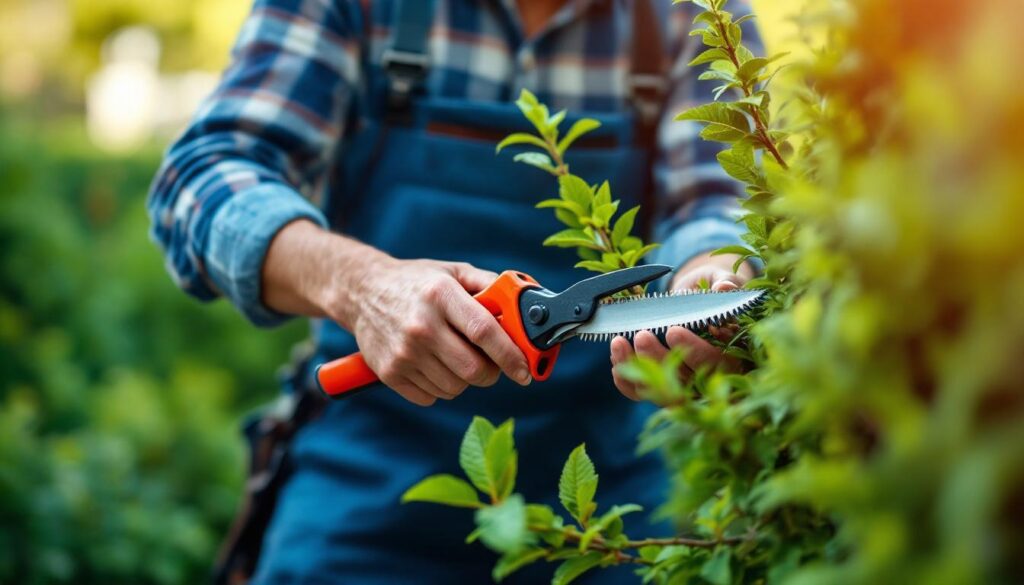
How Do Pruning and Crown Reduction Support Fruit Tree Health?
Fruit trees care requires regular pruning to maintain productivity and tree vigor. Selective branch removal eliminates dead wood, diseased limbs, and crossing branches that compete for resources. This targeted approach directs the tree’s energy toward fruit production rather than maintaining unnecessary growth.
Air circulation improves dramatically when branches are properly spaced through pruning techniques. Dense canopies trap moisture and create ideal conditions for fungal diseases like brown rot and powdery mildew. Strategic thinning allows air to move freely through the canopy, keeping foliage dry and reducing disease pressure.
Light penetration reaches inner branches when pruning opens up the canopy structure. Fruit developing in shaded areas often remains small, poorly colored, and less sweet. Adequate sunlight exposure ensures even ripening and enhances sugar development in fruit throughout the entire tree.
Crown reduction becomes valuable for mature fruit trees that have grown too large for practical harvesting. Rather than severely cutting back branches through lopping, this method reduces canopy size while maintaining the tree’s natural architecture. The technique involves cutting back to lateral branches that can support continued growth and fruit production.
Arborist Willoughby: Comparing Pruning, Lopping and Crown Reduction (What’s Best?) demonstrates that combining regular pruning with occasional crown reduction creates the optimal maintenance program for fruit trees. These practices work together to balance tree size, health, and productive capacity without causing the stress and damage associated with aggressive cutting methods.
When Is Lopping Acceptable or Necessary for Tree Care?
Does lopping ever have a legitimate place in tree maintenance? Yes, but only in extreme emergency situations where safety takes immediate priority over tree health.
Emergency tree removal scenarios represent the rare instances where lopping becomes justifiable. When severe storm damage leaves large branches hanging precariously over homes, power lines, or high-traffic areas, quick removal of these hazards may require aggressive cutting methods. A split trunk threatening to collapse, a partially uprooted tree leaning dangerously, or major limbs broken but still attached during violent weather conditions demand swift action.
Professional arborists in Willoughby may employ lopping techniques during these crisis interventions to:
- Eliminate immediate threats to people and property
- Prevent further damage during active weather events
- Create safe access for complete tree assessment
- Stabilize dangerous situations before proper remedial work
Even in emergencies, qualified arborists minimize damage by planning cuts strategically and following up with corrective pruning once the immediate danger passes.

Why Should Homeowners in Willoughby Consult Qualified Arborists for Tree Care?
Professional arborist advice Willoughby residents receive ensures trees get the right treatment at the right time. Qualified arborists assess each tree’s unique condition, species requirements, and structural needs before recommending whether pruning, crown reduction, or another method suits best.
Expert evaluation prevents costly mistakes that damage trees permanently. Arborists understand:
- Species-specific growth patterns that dictate cutting techniques
- Structural weak points requiring careful attention
- Disease symptoms that change care approaches
- Local council regulations governing tree work
Safe tree care practices protect both property and people. Trained professionals use proper equipment, follow Australian Standards for tree work, and carry appropriate insurance coverage.
Skilled arborists enhance aesthetic value through precise cuts that maintain natural form. They know exactly where to cut branches to promote healthy healing and attractive regrowth patterns. DIY attempts or unqualified contractors often create disfigured trees that take years to recover—if they survive at all.
Related : Arborist Pennant Hills Homeowner Checklist: What to Inspect Every Spring